Balancing Heritage and Modernity in English Home Interiors
English homes often bring together layers of different eras: original architectural details, later alterations and the needs of contemporary life. A successful interior does not have to choose between preserving the past and embracing the present. It can make both feel intentional, allowing historic character to remain visible while modern choices improve comfort and function.
Begin with what is already there
Before choosing colours or furniture, take stock of the home’s existing features. These might include fireplaces, timber floors, ceiling mouldings, panelled doors, sash windows or distinctive staircases. Their condition and significance will vary from property to property, so avoid assuming that every old detail needs restoration—or that every later addition should be removed.
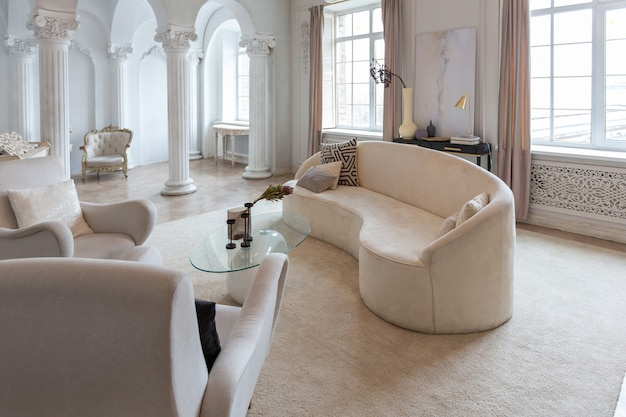
Identify which features give the rooms their character and decide how they can work within daily life. A fireplace, for example, can remain a focal point even if the room is arranged around a contemporary sofa and reading lights. Where original materials are worn, careful repair may preserve more character than replacing them with a new finish.
If a property is listed or subject to other heritage controls, check the relevant requirements before making changes. Alterations to historic buildings may require consent, and it is sensible to establish this early in the planning process.
Let contrast feel considered
Modern furniture can sit comfortably alongside period details when the relationship between them is deliberate. A simple contemporary dining table may give a room with ornate features a calmer centre. In another space, an older piece of furniture can bring warmth to a clean-lined scheme.
Scale matters. Large, heavy furniture can obscure architectural details or make a modest room feel crowded; pieces that are too small may seem disconnected from the proportions of a grander space. Measure carefully, and leave important features visible rather than treating every wall as a surface to fill.
A consistent palette can help different eras feel connected. Consider drawing colours from existing materials—such as timber, stone, brick or tile—then use them in a controlled way across walls, furnishings and smaller accents. This does not mean every room must match. Repeating a few tones or materials can create a sense of continuity without making the interior feel uniform.
Choose materials for character and use
Natural materials often provide a useful bridge between old and new. Timber, wool, linen, stone and ceramic can bring texture to a room without relying on a strictly period style. The best choice depends on how the space is used: a busy entrance, for instance, may need a more durable floor finish than a bedroom.
New finishes need not imitate historic ones. Instead, they can complement them through colour, texture or proportion. A contemporary light fitting may work well in a room with traditional joinery if its shape feels balanced and it provides the light the room needs. In older homes, layered lighting—combining general, task and accent sources—can make spaces more adaptable than a single central fitting.
Adapt the layout without losing the home’s rhythm
Modern living may call for open connections between rooms, additional storage or a dedicated place to work. These needs can often be addressed without removing every boundary. Retaining a doorway, using glazed partitions or creating clearer zones within a room can maintain a sense of the home’s original layout while improving its flexibility.
Storage deserves particular attention. Built-in solutions can reduce clutter, but their placement and finish should suit the architecture. A restrained design may sit more easily beside original features than cabinetry that competes for attention.
Aim for a home that feels lived in
A balanced interior is not a museum display, nor does it need to look entirely new. It should reflect how the household uses the space while respecting the qualities that make the building distinctive. Keeping meaningful features, choosing contemporary additions with care and allowing rooms to develop over time can produce a home that feels both grounded and current.
For homeowners working with Mosaic Harbor or planning independently, the guiding principle is the same: preserve what gives the home its identity, and make new choices that support the way it is lived in today.