Choosing Natural Materials for a Calm, Timeless Living Space
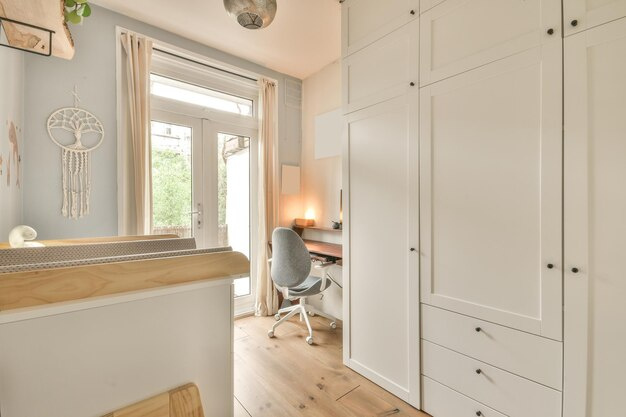
A restful interior depends less on using many natural materials than on choosing a few that work well together. Wood, stone, clay, wool and linen bring subtle variation to a room, helping it feel warm and settled without relying on decoration that may quickly date.
Start with the room’s needs
Consider how each surface will be used before choosing its material. A hallway floor needs to cope with regular foot traffic, while a living-room rug may be selected mainly for comfort and appearance. Light levels matter too: a dark timber finish can feel rich in a bright room but may make a small, shaded space seem heavier. Collect samples and view them in the room at different times of day, alongside existing flooring, paint and furniture.
Choose materials for their character
Wood adds warmth and suits floors, furniture and architectural details. Oak, ash and other timbers each have their own grain and colour variation. A matte or lightly finished surface tends to show that character without creating a strong sheen. Check how a finish will wear and what care it requires; some marks and changes in colour are part of wood’s natural appearance.
Stone can give floors, hearths, worktops or occasional pieces a quiet sense of permanence. Its pattern may be subtle or pronounced, so look at the actual slab or tile where possible rather than relying only on a small sample. Different stones have different porosity and care needs. Ask about sealing, cleaning and suitability for the intended location before committing.
Linen, wool and cotton bring softness to seating, curtains and rugs. Their woven texture can balance harder surfaces such as timber or stone. Natural fibres vary in durability and ease of cleaning, so consider household routines and the likelihood of spills. For upholstered furniture, removable or washable covers may be useful where available.
Clay and other mineral finishes can add a softly textured surface to walls. Their appearance depends on the product, application and light in the room. Test a sample on a larger area before making a final choice, and confirm whether the finish is suitable for the wall and level of wear.
Build a restrained palette
A calm scheme often uses a small group of related tones rather than matching every material exactly. Warm timber can sit comfortably with creamy textiles and a muted stone, for example, while cooler wood may work better with greyer or more neutral finishes. Variation in grain, weave and surface keeps a restrained palette from feeling flat.
Look at undertones as well as colour. A pale material may read warm, cool or slightly golden beside another surface. Samples placed together make these differences easier to see. Repeat a material or tone in a few places—perhaps timber in a floor and a side table, or linen in both curtains and cushions—to give the room a sense of connection.
Balance texture and maintenance
Natural materials are not uniform, and their variation is part of their appeal. Too many prominent patterns can make a room feel busy, so let one surface take the lead and keep others quieter. A boldly veined stone, for instance, may need simpler textiles and furniture around it.
Be realistic about upkeep. Read care guidance for finishes and fabrics, and ask how they respond to moisture, sunlight, cleaning products and everyday wear. In rooms where splashes or condensation are likely, check that the chosen material is appropriate and that it can be maintained as intended. A beautiful surface that does not suit the way a room is used may become a source of frustration.
Natural origin alone does not determine a material’s environmental impact or lifespan. Consider where it comes from, how it is processed, how long it is likely to serve its purpose and whether it can be repaired or reused. Reclaimed materials can offer distinctive character, but check their condition and suitability before installation.
The most lasting interiors usually combine comfort with thoughtful restraint. Choose materials for their feel, appearance and practical demands, then allow their natural differences to provide interest. The result can be calm without being plain, and timeless without feeling formal.