Small-Space Design Ideas for Contemporary English Homes
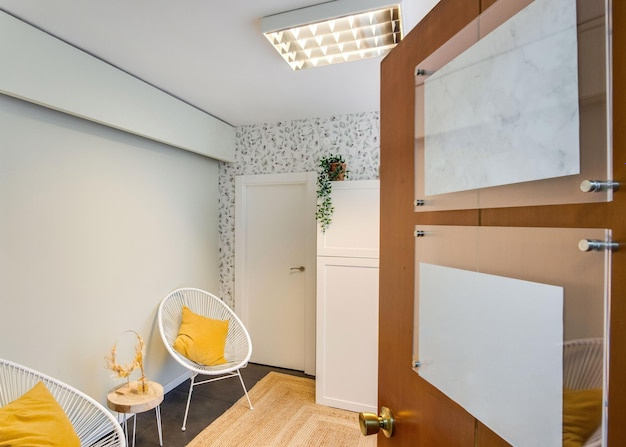
Make Every Square Metre Work Harder
A small home can feel generous when its layout, storage and furnishings are planned around everyday routines. In contemporary English homes, that may mean adapting a compact flat, a narrow terrace or a room with original features without making the space feel crowded. The aim is not to fit in as much as possible, but to make each element earn its place.
Start with the way you live
Before choosing furniture or colours, consider how each room is used throughout the day. A dining area might also serve as a workspace; a living room may need to accommodate guests as well as quiet evenings. Write down the activities a room needs to support, then identify what must remain easy to access.
Measure the room carefully, including alcoves, door swings, windows, radiators and any existing fireplaces. A scaled floor plan can reveal where circulation is tight and whether a piece of furniture will obstruct a route or block useful light. In a narrow room, keeping a clear path from the entrance to the window can make the layout feel calmer.
Choose furniture to suit the room
Furniture that is too large can dominate a compact interior, while numerous small pieces may create visual clutter. Look for a balance: a sofa with raised legs can leave more of the floor visible, and a round dining table may be easier to move around than one with sharp corners. Check dimensions before buying, including the space needed to pull out chairs or open drawers.
Flexible pieces are useful when a room serves more than one purpose. A drop-leaf table, nesting tables or a storage ottoman can adapt to changing needs. However, multifunctional furniture works best when it is simple to operate and has a clear everyday purpose. Avoid adding features that will rarely be used.
Make storage part of the design
Clutter takes up visual as well as physical space. Use the full height of a room where appropriate, with shelves or cupboards that keep less-used items above everyday essentials. In alcoves, fitted storage can make use of awkward dimensions; freestanding pieces may be preferable when flexibility or a lighter look matters more.
Closed cupboards help conceal objects that do not need to be on display. Open shelving can add character, but it is most effective when it is not overfilled. In hallways and bedrooms, hooks, shallow cabinets and under-bed storage can keep frequently used belongings accessible without taking over the floor.
Use light and colour with intention
A restrained palette can help rooms feel connected, particularly in an open-plan space. Light colours are one option, but a compact room does not have to be entirely white. Soft neutrals, muted greens or deeper tones can all work when balanced with the room’s natural light, finishes and furnishings.
Use mirrors thoughtfully to reflect daylight or an attractive view, rather than placing them where they create glare or visual confusion. Keep window treatments in proportion to the window, and choose a style that provides the privacy and light control the room needs.
Artificial lighting should support different activities. A combination of ambient light, task lighting and smaller accent lights is often more adaptable than relying on a single ceiling fitting. In a kitchen, for example, focused light over work surfaces can make the room more practical, while a lamp in a living area can create a softer atmosphere in the evening.
Respect the character of the home
Many English homes combine contemporary updates with architectural details such as fireplaces, sash windows, cornices or original floorboards. These features can provide a natural focal point in a small room. Arrange furniture to acknowledge them, and avoid covering details simply to make the space appear more modern.
Where the layout is awkward, work with its constraints before considering major changes. A carefully placed rug, consistent flooring or a well-planned lighting scheme can help define zones without adding partitions. If alterations are being considered, check what is feasible for the particular property before planning around it.
Good small-space design is ultimately about clarity: a layout that supports daily life, storage that reduces clutter and furnishings that leave room to move. For homeowners developing ideas with Mosaic Harbor, these principles offer a practical starting point for creating a contemporary home that feels considered rather than crowded.